What is animism? Where is is most commonly practiced? Why is it so arbitrary? What is the number one goal in animism? What sports athletes are the most superstitious, and why? What strange superstitions do Eastern Europeans observe?

What is animism? Where is is most commonly practiced? Why is it so arbitrary? What is the number one goal in animism? What sports athletes are the most superstitious, and why? What strange superstitions do Eastern Europeans observe?
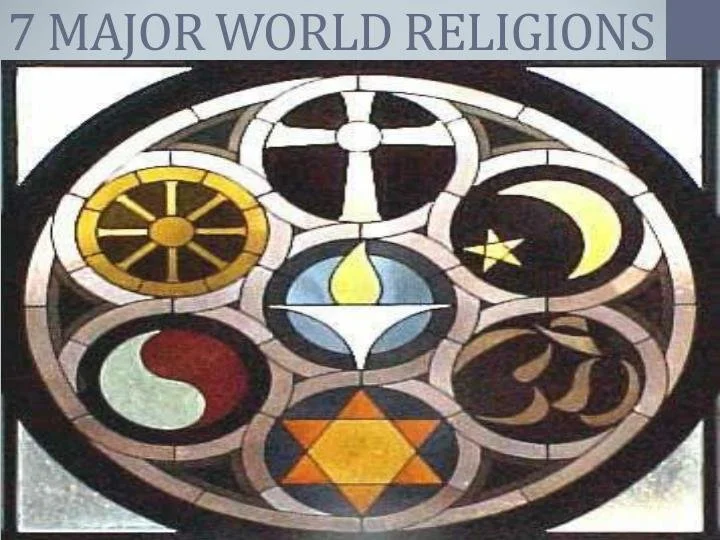
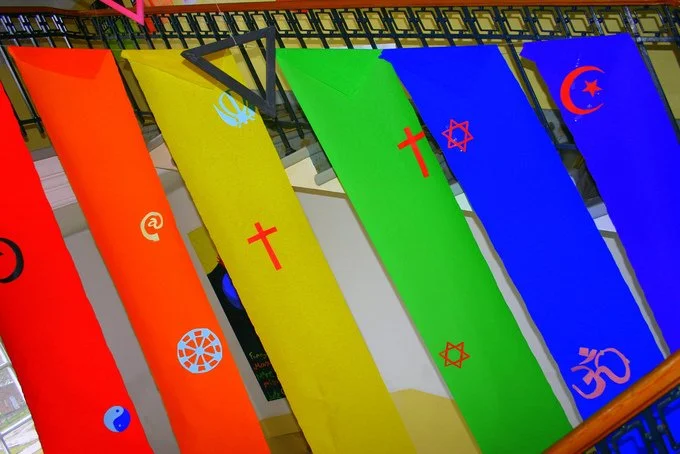
The first in a series on the world's major religions. In order to talk about religion carefully, we need to define religion. So, universally, what is it? What is it universally not? What tactical shift should Christians take to discuss religion? What holiday food do I not enjoy?
Never had a dramatic conversion experience? You story doesn't bring people to tears? Welcome to the crowd! Let me share four points of significance on this matter. Also, what did I usually dress up as for Halloween?
What is the philosophy of religious pluralism? And what then is universalism? Is it true that "all religions are different paths that lead to the same mountain top called God"? What happens when we bring just a smidgeon of logic to bear on things? What happens when we bring a smidgeon of Jesus to things?
What steps can be taken to hear God's voice? Or, which steps work the best, garner the best results? What is the attitude necessary for hearing the Lord speak? It is so important to hear the voice of God! Come laugh and think with me!
Unconditional love. It is a slogan, thrown around like a frisbee. Is it biblical? If so, what does it mean? Does it mean God loves sinners? Does it mean that, no matter what, God will still seek relationship with us? What is the nature, the root, of God's love? And more, does God only love us for who we are today? Or is the future of that relationship somehow at stake?
In this episode I also welcome the listeners from 13 new countries!
The human soul is not hard-wired, it gets shaped. Two authors I just read argue that our souls get shaped more by the western marketplace than by Christianity. How does that happen? What goes into that? Are they simply irritated with capitalism? Should we be? And then, what shapes your soul? Are you being intentional? Have you ever met beautiful souls? How can we go about shaping our souls?
What does the Bible suggest to us about those who never hear the Gospel? What points of logic should be brought to bear on such a question? Does a horrible death equate to eternal life? Does pure faith equate to salvation? Is the issue how sincere one's faith is? In this issue I also reflect on the recent SCOTUS, Justice Kavanaugh, hearings. Still more, I tell the story about when I made my only hole-in-one.
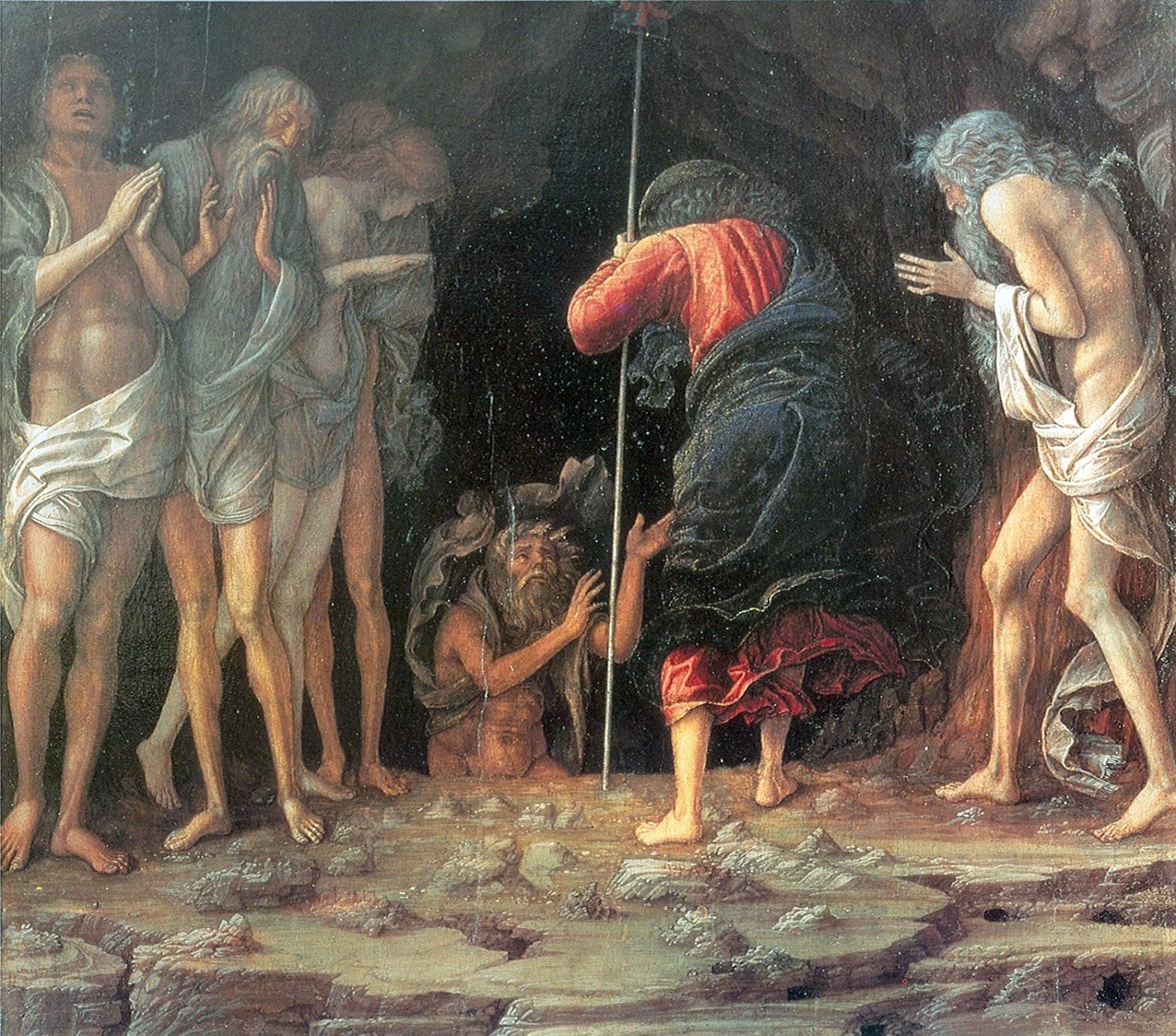
After his death did Jesus go to hell? Why do some theologians believe that he did? What does the Bible say about that? If he did go to hell what did he do when he was there? How should we handle ambiguous bible passages? Finally, I discuss how it is that Jesus changed the way we will die. Wild stuff!
What did Paul teach about hell? Or did he at all? Did he, instead, promote universalism: that all will be saved in the end, no matter what? What is the constant basis for universalism? How do we process salvation in light of a first century Jewish mentality? How do Modernism and the human desire for mastery go hand-in-hand? What do I think about people who have bright lime-green hair?
Does the devil rule in hell now? Can demons read our thoughts? What are the signs of demon possession? What makes it possible for demons to enter our souls? Is it even Christian to root for the Dallas Cowboys?! What does the devil like to say to us? Why do some regions and areas have more demonic activity than others? Are demons even real or are they projections of our consciousness? I ask and answer 9 questions about the demonic realm.
What was Jesus teaching us when he told the story about Lazarus and the rich man? Why did he say there is a chasm in the middle of Hades? Was he teaching that all poor folks go to heaven while all rich people go to hell? Did Jesus hate money? Does the Bible teach a hatred of wealth? Just what is the point of this parable? What does it teach about the afterlife?
Is hell real? Is it eternal? Or is hell just Jewish symbolism for annihilation? To answer some of those questions we look at what Jesus had to say about hell, the terms he used, the contexts within which he spoke, and why he talked about it at all. Did he build on the Old Testament teaching or completely re-vamp that? Also, I discuss the Roman Catholic Church's ongoing sexual-abuse catastrophe.
Why does the Church teach about hell? I will note four reasons why I believe there must be a hell, although that doesn't always make me comfortable. What is the central reason Christians have believed in hell? Are there gradations of biblical teachings that are less and more offensive? If not, why? If so, what do we do with that? During an A.D.D. break I also review the movie, "Mission Impossible: Fallout."
Part 2 of a reflection on the Eschaton, this episode builds on both biblical teachings and foundational elements for human nature to imagine what life after the Resurrection will be like. How will it be new? Totally new? Will you still be you? Will we be able to grow in the afterlife, or will we be frozen by our current identity? Will we be creative? Will we work or play, or neither? And what about time? Will it be entirely eliminated by the eternity of God? What do I want to do for my first 1000 years there?
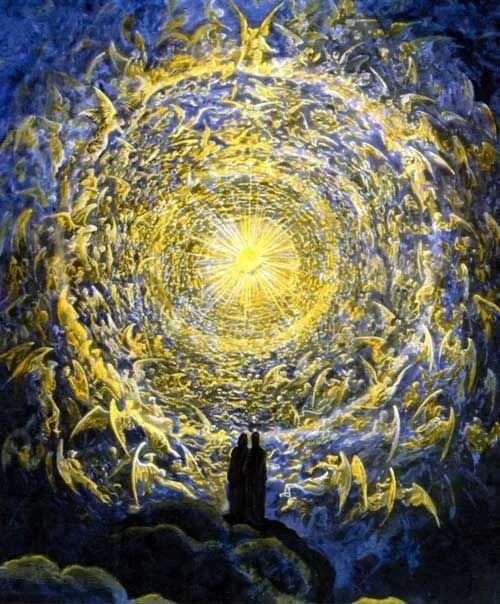
If Heaven (Intermediate state) is not our final God-intended goal, what is? Just what will resurrected life be like? Will we lose our memories? Will we lose our identities? Will we lose our friendships? What is God going to do with the earth? Will he destroy it? Where will there be continuity with this life? And, why will there be continuity with this life, this eon? Yeah, just what on earth is the Eschaton?! Come and—following the trail blazed by Scripture—think theo-logically with me about the future that awaits us!
When believers die do they immediately experience the resurrection? Is there a resurrection of the soul without the body? What is the intermediate state, is it purgatory? Does the bible teach about the intermediate state? Does the soul experience reincarnation? Is there consciousness after death? Will we be able to physically touch each other in the afterlife? What does the bible mean when it says those who are dead are "asleep"? Are the unrighteous punished before they go to hell?
Will you still be you in the resurrection? Or will you be completely different? Does the resurrection happen at the moment of death? What do the incarnation and resurrection say about how God's values our bodies? Is God trying to save us from creation or save us with creation? And I have a "super deep" A.D.D. reflection in this episode that you won't want to miss!
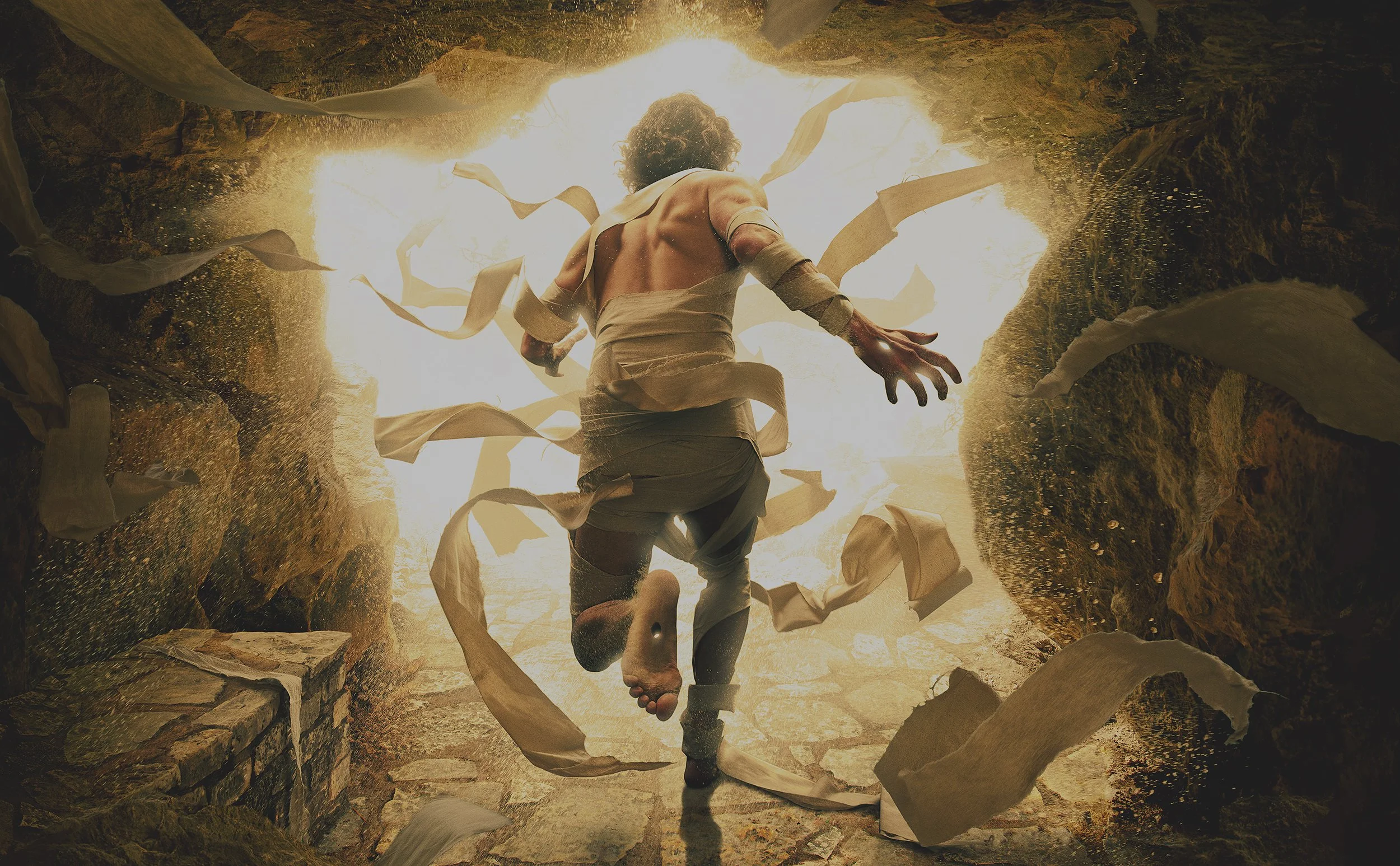
To a first-century Jew, what was profoundly mind-blowing about the timing of Jesus' resurrection? What does the New Testament witness to about Jesus' resurrection? Was his body the same? Did he appear only as a spirit? What does his resurrection mean for the resurrection of you and me? If the resurrection happens at the moment of death, what is going on with all the cemeteries in the world? Come and think with your brain such that your heart will be filled with hope!
The Old Testament was vague at best concerning the afterlife and what happens to the self. The Inter-Testamental period represents a significant shift thereon. Why? What changed? What was going on among the ancient Jews to cause such an enormous paradigm shift? Did Jesus believe more like an OT Jew or an inter-testamental Jew? Even more pressing, was God still at work during this "silent" period? Or, is God only at work when it concerns us and our era?